Book Your Health Check-up
Dengue Antibody IgM ELISA Test: Booking, Price, and Results
About Dengue Antibody IgM ELISA Test: Booking, Price, and Results
| Field | Value |
|---|---|
| Also Known As | Dengue Fever Antibody Test, Dengue Fever Virus Test, Anti-Dengue IgM Test, MAC-ELISA (IgM Antibody Capture Enzyme-Linked Immunosorbent Assay) |
| Sample Type | Venous blood (serum) |
| Fasting Required | No fasting required |
| Report Time | 1 to 2 days |
| Recommended For | All ages and genders, particularly those with dengue-like symptoms or recent travel to endemic areas |
| Price | Starting at ₹300 |
What Is a Dengue Antibody IgM ELISA Test?
The dengue antibody IgM ELISA test is a blood test that detects IgM antibodies produced by your immune system in response to a dengue virus infection. Doctors typically order it when a patient presents with a high fever and other dengue-like symptoms, especially during or after travel to a dengue-endemic area. It is also known as the dengue fever antibody test, dengue fever virus test, anti-dengue IgM test, and MAC-ELISA (IgM antibody capture enzyme-linked immunosorbent assay). A small blood sample drawn from a vein in your arm is all that is needed.
What Does a Dengue Antibody IgM ELISA Test Measure?
The dengue antibody IgM ELISA test looks for a specific type of antibody in your blood. Here is what that means:
| Component | What It Is | Why It Matters |
|---|---|---|
| IgM Antibodies (Immunoglobulin M) | The first antibodies your immune system produces after a dengue infection | Their presence indicates a recent or ongoing infection |
The MAC-ELISA method works by capturing IgM antibodies from your blood sample onto a specially prepared plate, then introducing dengue virus proteins to confirm whether those antibodies are dengue-specific.
Why Is a Dengue Antibody IgM ELISA Test Done?
A doctor may order this test when dengue infection is suspected based on symptoms or recent travel history.
Common Symptoms That May Require This Test
Your doctor may order a dengue fever virus test if you experience any of the following:
- Sudden high fever
- Severe headache
- Pain behind the eyes (retro-orbital pain)
- Muscle and joint pain (myalgia and arthralgia)
- Nausea or vomiting
- A skin rash (macular or maculopapular rash)
- Minor bleeding symptoms, such as nosebleeds or easy bruising
Conditions This Test Can Help Detect
The dengue antibody IgM ELISA test can help identify the following conditions:
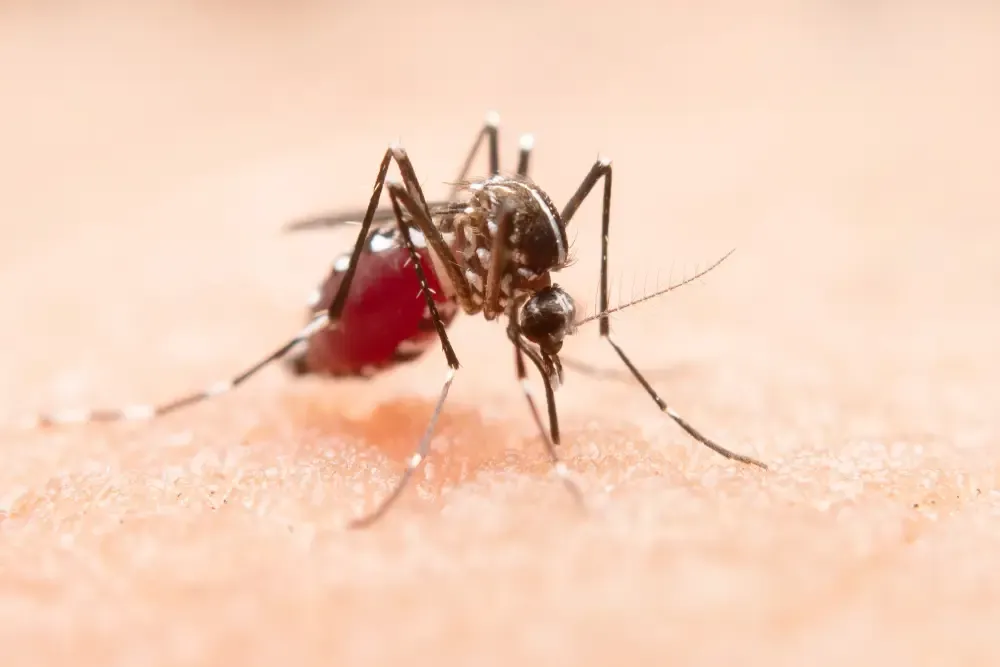
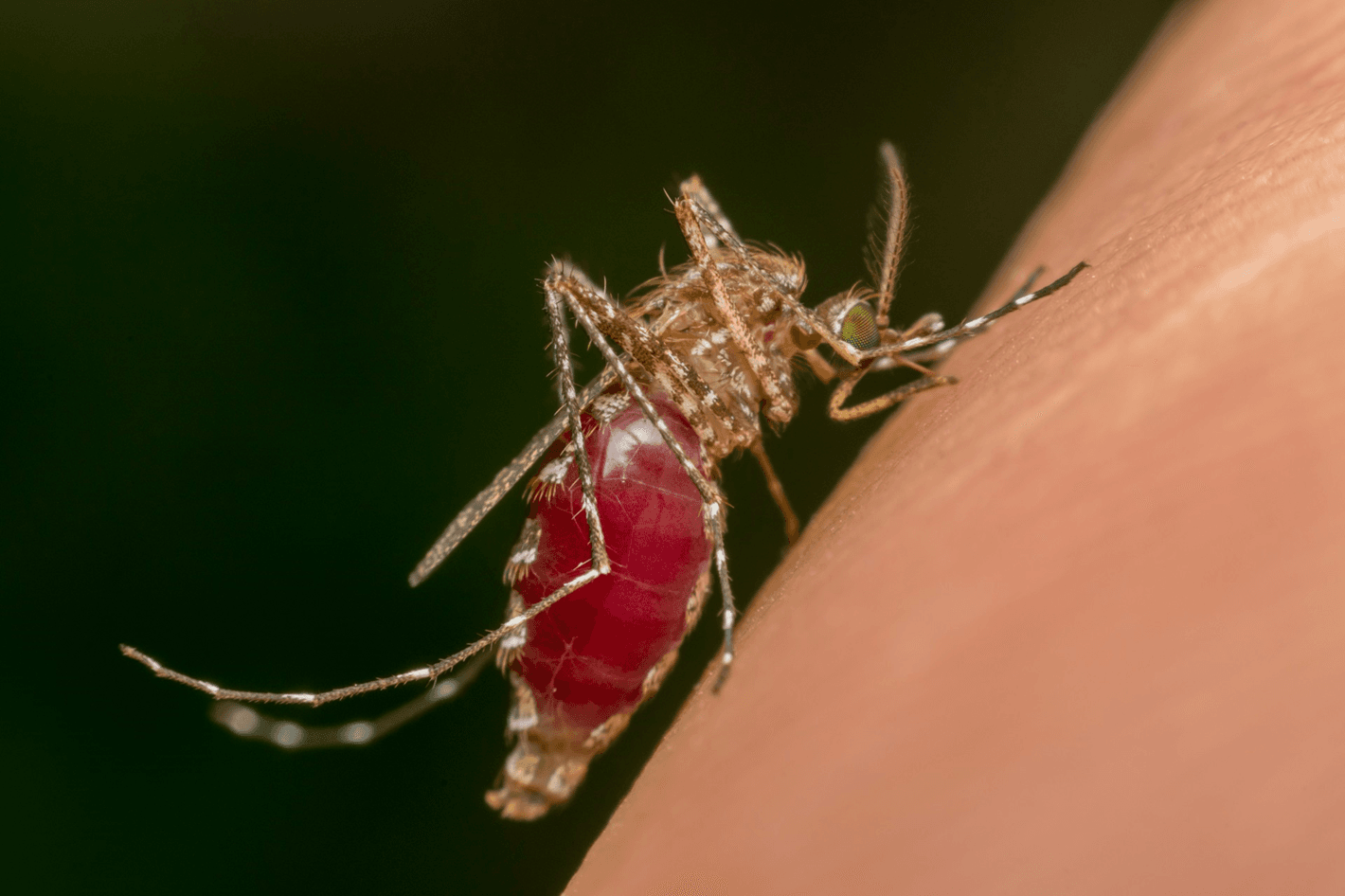
- Dengue fever, an acute viral infection spread through the bite of infected mosquitoes
- Dengue haemorrhagic fever (DHF), a severe form involving damage to blood vessels
- Dengue shock syndrome (DSS), a serious complication of severe dengue
- Differentiation from other febrile illnesses such as malaria, chikungunya, Zika, or leptospirosis
How to Prepare and What to Expect
No special preparation is needed for this test, but a few simple steps can help the process go smoothly.
Do You Need to Fast?
No fasting is required before a dengue antibody IgM ELISA test. You can eat and drink normally before your appointment. However, always follow any specific instructions given by your doctor or the laboratory at the time of booking.
Practical Tips Before Your Test
Keep the following points in mind before getting tested:
- Get tested as soon as symptoms appear; the test is most informative from day 5 of fever onset
- Inform your doctor about any recent travel to dengue-prone regions
- Let your doctor know about any current medications, recent vaccinations, or recent blood transfusions
- Wear a short-sleeved or loose-fitting top for easy access to the arm
Step-by-Step Procedure
Here is what happens during sample collection:
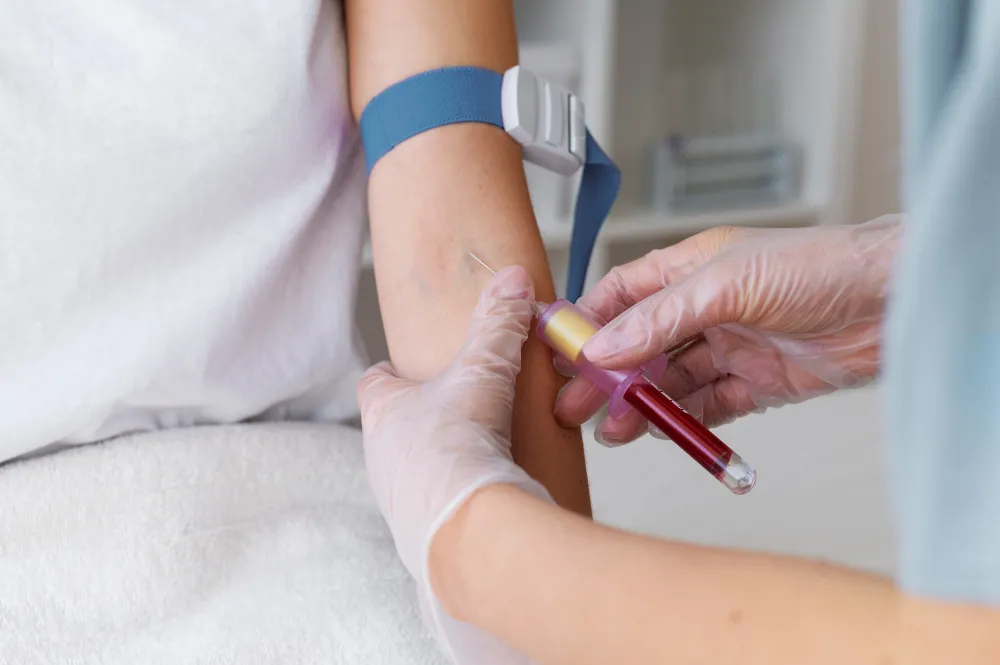
- A trained phlebotomist (blood collection specialist) will ask you to sit comfortably and extend one arm.
- The skin over the vein, usually at the inner elbow, is cleaned with an antiseptic.
- A tourniquet (elastic band) is placed around the upper arm to make the vein easier to locate.
- A small needle is inserted to draw a blood sample into a vial; the whole process takes under five minutes.
- The needle is removed, and a small cotton pad or bandage is placed over the site.
- Your sample is labelled and sent to the laboratory, where the MAC-ELISA (IgM antibody capture enzyme-linked immunosorbent assay) technique is used to detect IgM antibodies.
Factors That Can Affect Accuracy
Several factors can influence how reliable your result is:
- Timing of the test relative to symptom onset (too early can give a false-negative result)
- A secondary dengue infection (re-infection with a different serotype) can produce lower or undetectable IgM levels
- Cross-reactivity with other flaviviruses such as Zika, West Nile, or Japanese encephalitis
- Previous flavivirus vaccinations or past dengue infection
- Recent blood transfusions or blood product administration
Understanding Your Dengue Antibody IgM ELISA Test Results
Your results should always be reviewed by a doctor alongside your symptoms, travel history, and other test findings. The table below shows the reference ranges used to interpret this test:
| IgM Antibody Value | Interpretation | Remarks |
|---|---|---|
| < 0.9 | Negative | No IgM antibody detected. Repeat the test after 7–14 days if an infection is suspected. |
| 0.9 – 1.1 | Equivocal | Retesting advised |
| > 1.1 | Positive | IgM antibody detected. A primary/secondary dengue infection is suggested. |
These ranges are general guidelines. Your doctor will interpret your results based on your age, health history, and other factors. Always consult a qualified healthcare professional for personalised medical advice.
Results During Special Conditions
Some situations can make results harder to interpret:
- Cross-reactivity with other flaviviruses (Zika, West Nile, Japanese encephalitis, yellow fever) or related vaccinations may produce a false-positive result.
- Patients with a history of malaria, leptospirosis, or past dengue infection have shown false-positive outcomes in some cases.
- In people previously infected with or vaccinated against a flavivirus, a new dengue infection may produce a weaker IgM response, increasing the chance of a false-negative.
- A positive result may not be valid if the person has received blood transfusions or blood products within the last few months.
How to Maintain Healthy Levels
Since dengue is a preventable infection, these general steps can reduce your risk:
- Use mosquito repellents and wear clothing that covers arms and legs, particularly during daylight hours when dengue mosquitoes are most active.
- Remove standing water from flowerpots, coolers, and containers around your home, as these are common mosquito breeding sites.
- Stay well-hydrated and rest adequately; seek medical attention promptly if warning signs such as persistent vomiting, abdominal pain, or unusual bleeding occur.
Lupin Diagnostics Dengue Antibody IgM ELISA Test Price and Home Collection
The dengue antibody IgM ELISA test price at Lupin Diagnostics starts at approximately ₹300, with home sample collection available across major cities. The table below shows approximate city-wise prices:
| City | Approximate Price (₹) |
|---|---|
| Mumbai | ₹600 |
| Bengaluru | ₹300 |
| Hyderabad | ₹600 |
| Chennai | ₹690 |
| Kolkata | ₹950 |
| Pune | ₹600 |
Prices are indicative and may vary by location. Please confirm the current price at the time of booking.
How to Book
- Select the test on the Lupin Diagnostics website.
- Choose your city and preferred time slot.
- Opt for home sample collection by a certified phlebotomist, or visit your nearest Lupin Diagnostics centre.
- Receive your report via email or WhatsApp within the stipulated turnaround time.
Home Collection
Lupin Diagnostics offers home collection for the dengue antibody IgM ELISA test across multiple cities, so you can get tested from the comfort of your home. All samples are processed in NABL-accredited laboratories by trained technologists. Digital reports are delivered via email or WhatsApp, making it easy to share results with your doctor.
Frequently Asked Questions
This test is most useful from day 5 of fever onset, as IgM antibodies typically become detectable between day 4 and day 5 after symptoms begin. If your symptoms started recently and the result is negative, your doctor may ask you to repeat the test after 10 to 14 days.
The NS1 antigen test detects a protein released by the dengue virus itself and is most useful in the very first days of illness. The anti-dengue IgM test detects your body's antibody response and becomes more reliable from day 5 onwards. Doctors often use both together for a more complete picture.
Not always. During the first seven days of illness, the dengue fever antibody test can return a negative result even in a genuine infection because antibody levels may not yet be high enough to detect. A repeat test on a later sample is recommended when dengue is still suspected.
Cross-reactivity is the main reason. IgM antibodies produced during dengue infection can react with related viruses such as Zika or West Nile virus, leading to a positive result that does not reflect a true dengue infection. In such cases, a more specific confirmatory test may be needed.
A positive or equivocal IgM result may need confirmation using a more specific test called plaque reduction neutralisation testing (PRNT). This is especially relevant when cross-reactivity with other flaviviruses such as Zika or Japanese encephalitis is suspected.
No special preparation is needed. Fasting is not required before the dengue antibody IgM ELISA test, and you can eat and drink normally before sample collection. Simply let your doctor know about recent travel, any medications you are taking, recent vaccinations, or recent blood transfusions before the test.
A positive result should be followed up with your doctor promptly. Your doctor will review the result alongside your symptoms, platelet count, and other blood tests to assess your condition. Watch for warning signs such as severe abdominal pain, persistent vomiting, or unusual bleeding, and seek medical attention without delay if any of these appear.