

Fatty liver disease is no longer a rare or specialist diagnosis. It is now one of the most common metabolic conditions worldwide, often discovered incidentally during routine blood work or imaging. Many people are told they have fatty liver and walk away confused, reassured that it is “mild,” or unsure what to change beyond vague advice to “eat healthier.” The reality is that diet plays a central role in both the development and reversal of fatty liver disease. Small, consistent food choices, made daily, have a measurable impact on liver fat, inflammation, and long-term outcomes.
A fatty liver diet does not require extreme restriction, expensive superfoods, or crash dieting. Instead, it focuses on realistic, repeatable food swaps that reduce liver fat accumulation while supporting metabolic balance. For people diagnosed with non-alcoholic fatty liver disease, following a structured NAFLD diet can significantly improve liver enzymes, imaging findings, and insulin sensitivity over time.
This article explains how simple dietary substitutions can support liver recovery, how food choices influence liver physiology, and how diet ties directly to diagnostic monitoring through tests like LFT, Ultrasound abdomen, and FibroScan. If you have been told you have fatty liver, or want to prevent it, these daily swaps are where meaningful change begins.
Understanding Fatty Liver and Why Diet Matters So Much
Fatty liver disease occurs when excess fat accumulates inside liver cells. In non-alcoholic fatty liver disease (NAFLD), this buildup is driven primarily by insulin resistance, excess calories, refined carbohydrates, and unhealthy fats, not alcohol. Over time, simple fat accumulation can progress to inflammation, fibrosis, and even cirrhosis if left unaddressed.
The liver is the body’s metabolic hub. It processes carbohydrates, fats, proteins, hormones, and toxins. When dietary patterns overwhelm this system, fat begins to deposit in liver tissue. This is why diet modification is not supportive therapy, it is first-line management. A well-designed NAFLD diet directly reduces fat influx into the liver and improves fat export and oxidation.
Importantly, improvement is often measurable. Changes in liver enzymes on LFT, reduction in liver size or echogenicity on Ultrasound abdomen, and improved stiffness scores on FibroScan frequently follow sustained dietary changes. This makes nutrition one of the few interventions where patients can directly influence disease trajectory.
How Food Choices Drive Fat Accumulation in the Liver
Every meal sends metabolic signals to the liver. Diets high in refined carbohydrates and sugars rapidly increase insulin levels. Insulin promotes fat storage and inhibits fat breakdown, encouraging triglyceride accumulation within liver cells. Excess fructose, commonly found in sweetened beverages and processed foods, is especially problematic because it is metabolized almost exclusively in the liver.
In contrast, a liver-friendly diet emphasizes foods that stabilize blood sugar, reduce insulin spikes, and promote fat oxidation. Whole grains, fiber-rich vegetables, healthy fats, and adequate protein shift the liver toward fat utilization rather than storage.
This physiological understanding explains why calorie quality often matters more than calorie count in a fatty liver diet. Two diets with the same calories can have vastly different effects on liver fat depending on macronutrient composition and processing level.
Why “Diet Advice” for Fatty Liver Often Feels Overwhelming
Many people receive generic advice such as “lose weight” or “avoid fatty foods,” which is neither specific nor practical. Extreme restrictions are hard to maintain and often backfire. The goal of an effective NAFLD diet is not perfection but consistency.
Daily food swaps are powerful because they lower the cognitive burden of change. Replacing one item at a time, rather than overhauling the entire diet, creates sustainable habits. Over weeks and months, these swaps accumulate into meaningful metabolic improvement.
Understanding this approach reframes diet from punishment to strategy, making adherence more realistic and outcomes more durable.
Daily Carb Swaps- Reducing the Liver’s Sugar Load
Refined carbohydrates are one of the biggest contributors to liver fat. White bread, polished rice, pastries, and sugary cereals are rapidly converted to glucose, increasing insulin and promoting fat storage. In a fatty liver diet, the goal is not to eliminate carbohydrates but to choose slower-digesting options.
Simple swaps include:
- White rice with brown rice or millets
- White bread with whole-grain or sourdough
- Sugary breakfast cereals with oats with seeds
These substitutions reduce post-meal glucose spikes, easing the metabolic burden on the liver. Over time, this shift supports improvement in liver enzymes on LFT and reduces fatty infiltration seen on Ultrasound abdomen.
Fat Quality Matters More Than Fat Quantity
One of the most persistent myths is that fatty liver means avoiding all fats. In reality, fat quality is far more important. Diets high in trans fats and refined vegetable oils worsen liver inflammation, while diets rich in monounsaturated and omega-3 fats support liver health.
A liver-friendly diet encourages:
- Butter or margarine- swap with olive oil or mustard oil
- Fried snacks- swap with roasted nuts or seeds
- Processed meats- swap with fatty fish or plant proteins
These swaps reduce oxidative stress and inflammation within the liver. They also improve lipid profiles, indirectly supporting better LFT results over time.
How Fiber Helps Reverse Fatty Liver
Dietary fiber plays a critical role in fatty liver management. Fiber slows carbohydrate absorption, reduces insulin spikes, and improves gut microbiota composition. A healthier gut-liver axis reduces inflammation and fat delivery to the liver.
High-fiber foods, such as vegetables, legumes, fruits, and whole grains, are foundational to any NAFLD diet. Increasing fiber intake consistently has been shown to improve insulin sensitivity and reduce liver fat, even without dramatic weight loss.
This is why “adding” foods can be just as important as “removing” foods in a sustainable fatty liver diet.
Protein Swaps That Support Liver Repair
Protein supports muscle mass, satiety, and metabolic health. In fatty liver disease, adequate protein intake helps prevent muscle loss during weight reduction and supports liver regeneration.
Helpful swaps include:
- Processed meats with lentils, beans, tofu, eggs
- Deep-fried proteins with grilled or steamed options
- Sugary protein bars with whole food protein sources
Balanced protein intake reduces overeating and stabilizes blood sugar, reinforcing the metabolic benefits of a liver-friendly diet.
Why Small Dietary Changes Show Up on Liver Tests
Patients are often surprised when modest dietary changes improve their test results. This happens because liver metabolism responds quickly to reduced sugar load and improved fat handling. Within weeks, liver enzymes measured on LFT may begin to normalize.
Over months, imaging changes become visible. Reduced liver brightness on Ultrasound abdomen or improved stiffness scores on FibroScan reflect decreased fat and inflammation. These objective improvements reinforce adherence and validate the effectiveness of dietary swaps.
Common Mistakes People Make With a Fatty Liver Diet
One common mistake is focusing only on fat reduction while ignoring sugar and refined carbohydrates. Another is adopting extreme low-calorie diets that are unsustainable and may worsen metabolic stress.
Some people rely heavily on “health foods” that are still high in sugar, such as fruit juices or sweetened yogurts. Others assume medication alone can reverse fatty liver without dietary change.
Avoiding these pitfalls ensures that a NAFLD diet delivers lasting benefits rather than short-term fluctuations.
When Doctors Monitor Progress With Tests
Doctors typically track fatty liver improvement using a combination of blood tests and imaging. LFT helps assess inflammation and liver cell stress. Ultrasound abdomen evaluates structural fat accumulation. FibroScan measures liver stiffness and fat content more precisely. Visits Lupin Diagnostics for a hassle-free testing experience for your health and wellbeing.
Dietary improvements often precede visible weight loss, so test trends are valuable feedback tools. Understanding this connection motivates patients to maintain a fatty liver diet even when physical changes feel slow.
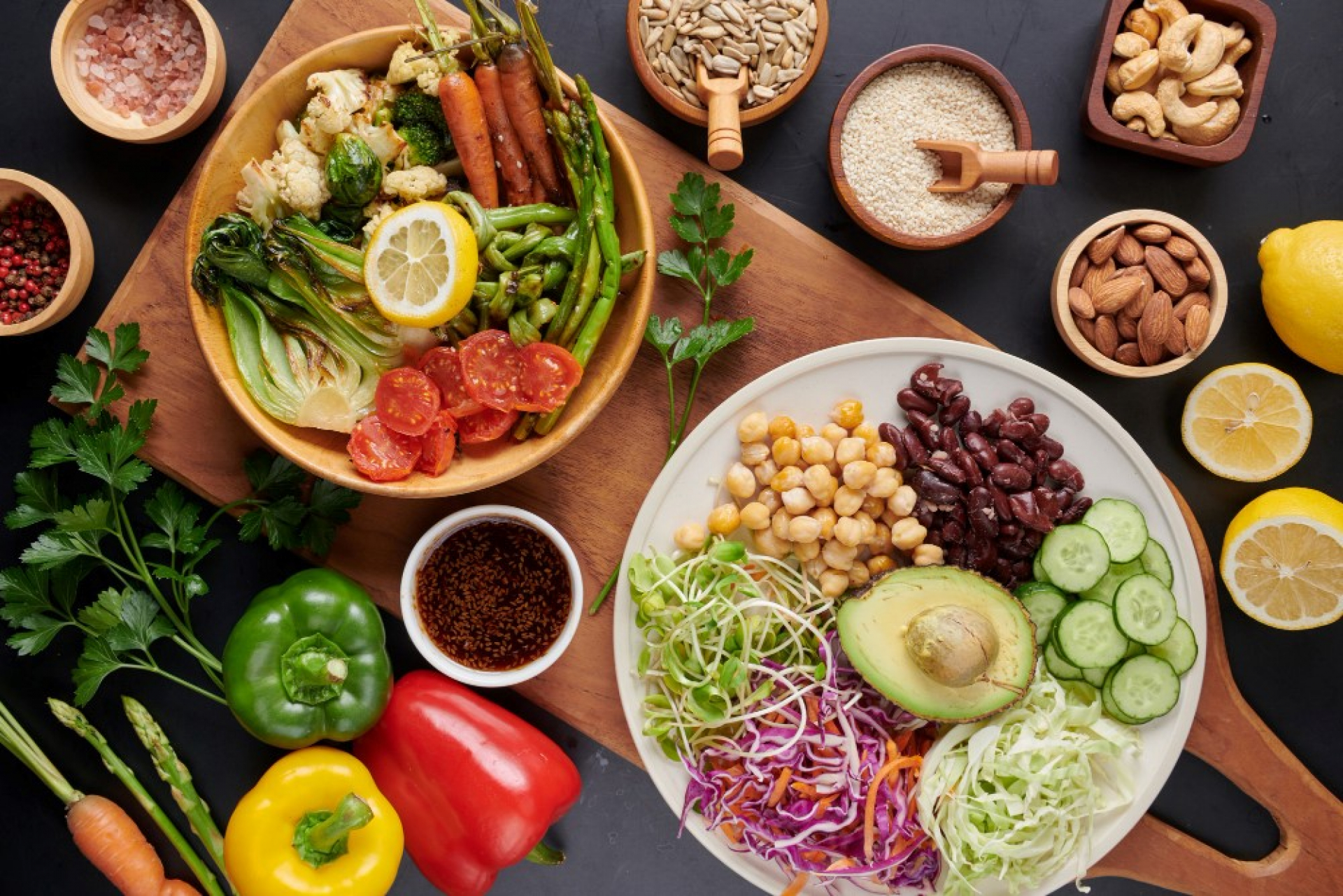
How to Build a Liver-Friendly Plate Without Overthinking
A practical approach is to visualize each meal as:
- Half vegetables
- One-quarter protein
- One-quarter whole carbohydrates
- Healthy fats in moderation
This structure naturally aligns with a liver-friendly diet and simplifies decision-making. Over time, repetition builds habit strength, which is more powerful than motivation alone.
Putting Daily Food Swaps Into Real Life
Sustainable change happens at the grocery store, not the clinic. Reading labels, cooking at home more often, and planning simple meals reduce reliance on processed foods. The goal is progress, not perfection.
Each positive swap reduces liver workload incrementally. Over months, these small decisions accumulate into measurable health gains, reflected in improved LFT, imaging, and overall metabolic health.
Small Food Swaps, Big Impact on Fatty Liver Health
Managing fatty liver disease does not require radical diets or constant restriction. It requires consistency, awareness, and smart substitutions. A well-planned fatty liver diet built on simple daily swaps reduces liver fat, improves insulin sensitivity, and lowers inflammation. Over time, these changes translate into better results on LFT, clearer findings on Ultrasound abdomen, and improved scores on FibroScan.
The strength of a sustainable NAFLD diet lies in its practicality. Each meal is an opportunity to support liver recovery rather than stress it further. When dietary choices align with liver physiology, improvement becomes not just possible but expected. Small changes, repeated daily, truly add up.
