

When people think about cancer prevention, they often think first about cancer screening tests. While screening is essential for early detection, long-term risk reduction begins much earlier, on the plate. A growing body of evidence shows that what we eat daily plays a decisive role in shaping cancer risk over decades. This is where the concept of a cancer prevention diet becomes relevant, practical, and actionable.
A diet to prevent cancer is not about superfoods, supplements, or extreme restrictions. Instead, it focuses on consistent dietary patterns that reduce chronic inflammation, improve metabolic health, support gut microbiota, and limit exposure to dietary carcinogens. Research consistently points to three simple but powerful principles: fiber, color, and portion control.
This blog introduces the Cancer Prevention Plate, a visual, practical way to structure daily meals using evidence-backed rules. We will explain how fiber intake, colorful plant foods, and portion balance contribute to cancer risk reduction, how cancer preventive foods fit into everyday meals, and how diet works alongside, not instead of, cancer screening tests to support lifelong health.
Why Diet Matters in Cancer Prevention
Cancer develops over years through a combination of genetic susceptibility and environmental exposure. Diet is one of the most modifiable environmental factors. Populations following plant-forward dietary patterns consistently show lower rates of colorectal, breast, and metabolic-related cancers.
A cancer prevention diet influences cancer risk through multiple mechanisms: reducing oxidative stress, improving insulin sensitivity, lowering inflammation, and supporting immune surveillance. These same pathways also influence results seen later in cancer screening tests, linking prevention and detection into a single continuum.
Importantly, no single food prevents cancer. It is the pattern, the daily repetition of a diet to prevent cancer, that matters most.
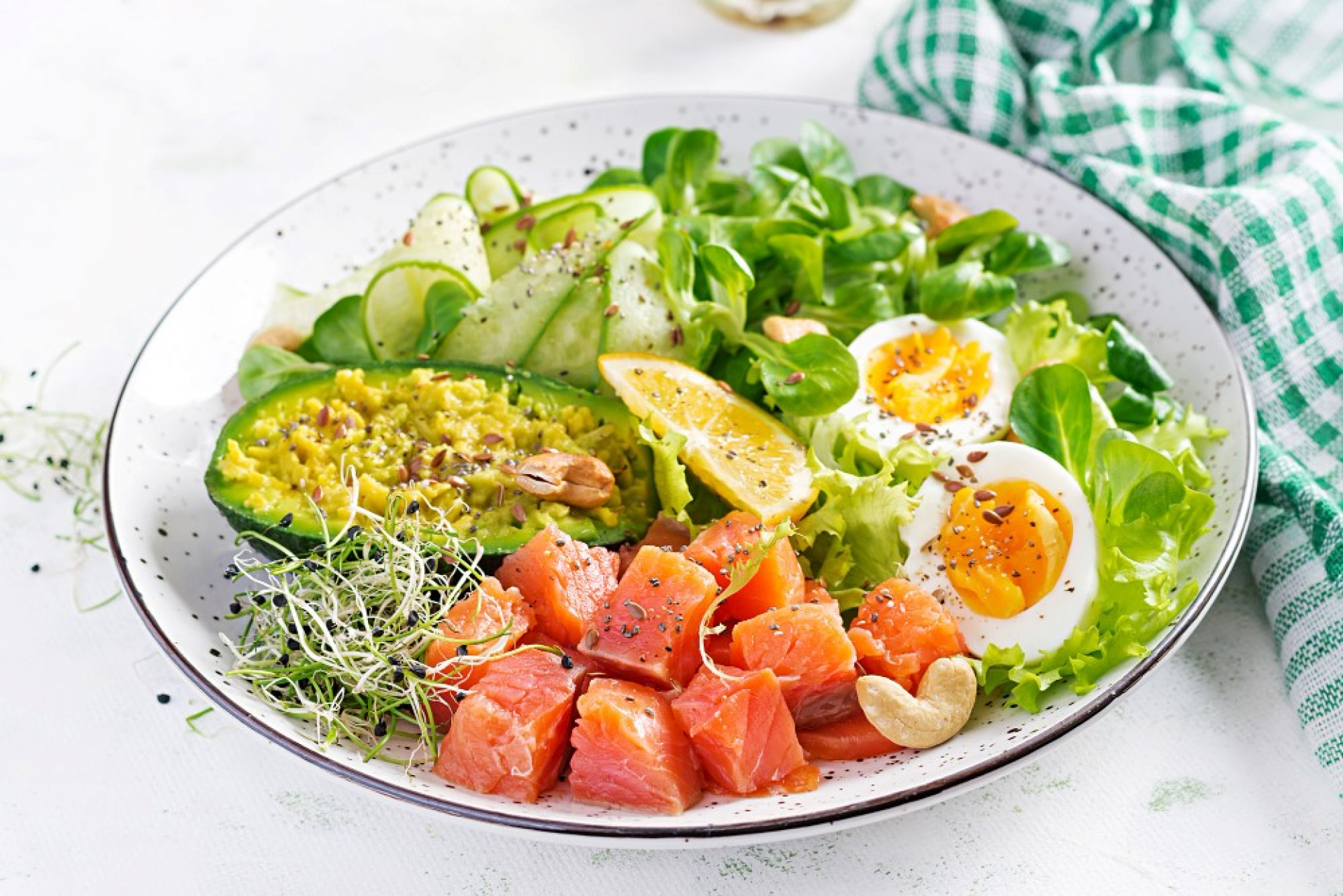
The Cancer Prevention Plate- A Simple Visual Framework
The Cancer Prevention Plate is a practical way to apply nutrition science without calorie counting or rigid meal plans. It emphasizes:
- High fiber intake
- Diverse, colorful plant foods
- Balanced portions
This framework makes cancer preventive foods part of normal eating rather than special “health meals.” Over time, these habits reduce risk and complement timely cancer screening tests.
Fiber- The Foundation of a Cancer Prevention Diet
Dietary fiber is one of the strongest nutritional factors linked to reduced cancer risk, particularly colorectal cancer. Fiber improves gut motility, dilutes potential carcinogens, and supports beneficial gut bacteria that produce protective compounds.
A diet to prevent cancer prioritizes fiber from whole foods such as vegetables, fruits, legumes, whole grains, nuts, and seeds. High-fiber diets are associated with lower inflammation and improved metabolic markers, both relevant to cancer biology.
Fiber-rich cancer preventive foods also promote satiety, helping maintain healthy body weight, which further reduces cancer risk.
How Fiber Reduces Cancer Risk
Fiber alters the gut environment. When gut bacteria ferment fiber, they produce short-chain fatty acids that protect the intestinal lining and reduce inflammation. These changes lower the likelihood of DNA damage in colon cells.
This mechanism explains why fiber intake is repeatedly highlighted in cancer prevention diet research and why fiber-rich diets correlate with improved outcomes in population studies.
Color- Why Variety Matters More Than One “Superfood”
Color in fruits and vegetables reflects different phytochemicals, antioxidants, polyphenols, and anti-inflammatory compounds. A colorful plate ensures exposure to a broad spectrum of protective molecules.
A diet to prevent cancer emphasizes diversity rather than fixation on one food. Green leafy vegetables, red berries, orange vegetables, purple fruits, all contribute uniquely. Together, they form the backbone of cancer preventive foods.
Eating a wide range of colors also reduces the risk of nutrient gaps and supports immune resilience.
Cancer Preventive Foods You Can Build Meals Around
While no food guarantees prevention, certain foods consistently appear in protective dietary patterns. These include:
- Cruciferous vegetables (broccoli, cabbage)
- Leafy greens
- Legumes and lentils
- Whole grains
- Berries and citrus fruits
Incorporating these cancer preventive foods into daily meals supports the principles of a cancer prevention diet without requiring drastic change.
Portion Control- The Overlooked Prevention Tool
Portion size influences cancer risk indirectly through body weight, insulin levels, and inflammation. Overeating, even healthy foods, can contribute to metabolic stress.
A diet to prevent cancer focuses on balanced portions:
- Half the plate with vegetables and fruits
- One-quarter with whole grains or fiber-rich carbohydrates
- One-quarter with protein, preferably plant-based or lean sources
This structure supports weight stability and complements other cancer preventive foods strategies.
Portion Size, Insulin, and Cancer Risk
Excess calorie intake leads to insulin resistance and chronic low-grade inflammation, both linked to cancer progression. By controlling portions, the Cancer Prevention Plate reduces these metabolic drivers.
This metabolic balance is one reason dietary patterns matter alongside cancer screening tests, which often detect disease influenced by long-term metabolic stress.
What a Diet to Prevent Cancer Is Not
A cancer prevention diet is not about eliminating all fats, carbohydrates, or enjoying food less. It does not require expensive supplements or extreme detox plans.
It is also not a replacement for cancer screening tests. Diet reduces risk; screening detects disease early. The two work together.
Understanding this distinction prevents false reassurance and supports realistic expectations.
Common Dietary Mistakes That Undermine Cancer Prevention
Some people focus only on “healthy” foods but ignore portion size. Others eat vegetables occasionally but rely heavily on processed foods the rest of the time.
Another common mistake is assuming that diet alone removes the need for cancer screening tests. Even the best diet to prevent cancer does not eliminate all risk.
Consistency, not perfection, is the true protective factor.
How the Cancer Prevention Plate Supports Screening Outcomes
People following a cancer prevention diet often have better metabolic health, lower inflammation, and healthier body composition. These factors can influence the effectiveness and clarity of cancer screening tests, reducing false positives and improving early detection accuracy.
Prevention and screening reinforce each other rather than compete.
Using the Cancer Prevention Plate in Daily Life
The Cancer Prevention Plate is not a one-day plan, it is a long-term pattern. Start with one meal a day structured around fiber, color, and portion balance. Over time, this becomes habitual.
Small changes repeated daily are more powerful than short-term dietary overhauls.
Building a Sustainable Diet to Prevent Cancer
Cancer prevention does not begin in the hospital, it begins at the table. A cancer prevention diet built around fiber, colorful plant foods, and mindful portions offers a realistic, evidence-based way to lower long-term risk. By focusing on cancer preventive foods and balanced eating, individuals support metabolic health, reduce inflammation, and create an internal environment less favorable to cancer development.
Importantly, a diet to prevent cancer works best when paired with timely cancer screening tests. Together, they form a comprehensive approach to prevention and early detection. The Cancer Prevention Plate is not about restriction, it is about structure, sustainability, and informed choices that add up over time.
