


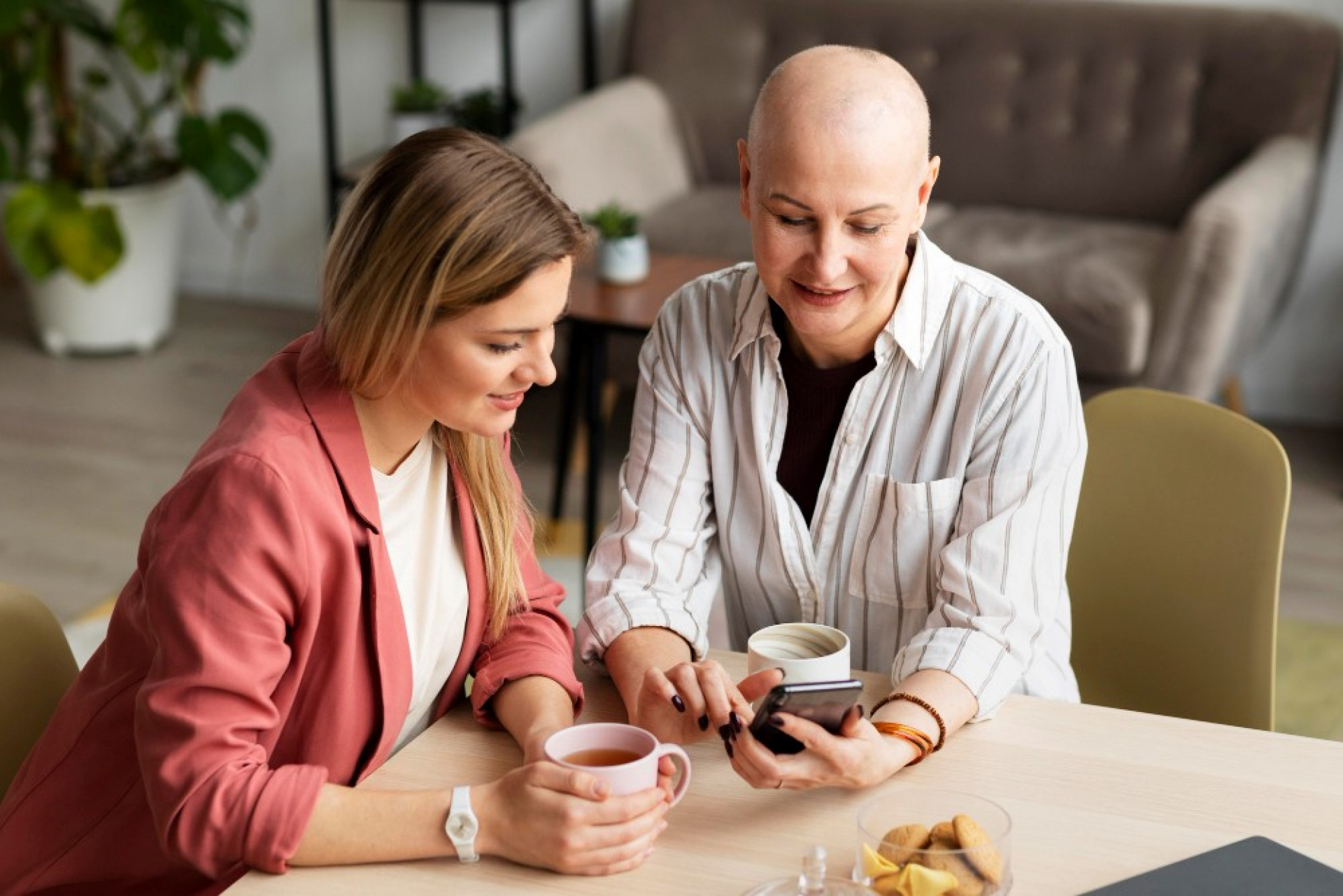
When a loved one enters the world of cancer evaluation, life changes not only for the patient but also for the caregiver. Appointments multiply, uncertainty grows, and everyday routines are disrupted. During this phase, caregivers often focus entirely on the patient, overlooking their own emotional and physical needs. Yet cancer testing support is not just about logistics and paperwork; it is also about sustaining the caregiver’s ability to stay present, clear-headed, and resilient through a demanding process.
Cancer evaluation can span weeks or months and may involve multiple cancer diagnostic tests, imaging studies, and sometimes a Biopsy test. For caregivers, this period is uniquely stressful because it combines waiting, fear, and responsibility without clear answers. Many caregivers report that the testing phase is emotionally harder than treatment itself. This is why caregiver cancer care must begin early, during testing, not after diagnosis.
This blog offers practical and emotional guidance for caregivers navigating cancer testing. It explains the caregiver role in diagnosis, how to provide meaningful cancer testing support, how to cope with waiting periods around biopsy results, and, critically, how caregivers can protect their own wellbeing while caring for someone else.
Why the Testing Phase Is Especially Hard on Caregivers
Cancer testing introduces uncertainty. Unlike treatment, which has a plan, the testing phase is filled with “what ifs.” Caregivers often carry unspoken fears while trying to appear strong for their loved one. This emotional load is rarely acknowledged.
During cancer diagnostic tests, caregivers are often responsible for scheduling appointments, understanding instructions, arranging transport, and communicating with family members. This invisible labor is central to caregiver cancer care, yet it is rarely named or supported.
Recognizing that testing itself is a high-stress phase helps caregivers validate their own reactions rather than dismissing them as overreactions.
Understanding Cancer Diagnostic Tests as a Caregiver
Caregivers do not need to become medical experts, but a basic understanding of cancer diagnostic tests helps reduce anxiety and improve communication with healthcare teams. Diagnostic tests may include blood tests, imaging, endoscopies, and tissue sampling.
A Biopsy test is often the most emotionally charged step. It is the test that may confirm or rule out cancer. For caregivers, the days between the biopsy and results are often the most stressful period.
Understanding the purpose and timeline of cancer diagnostic tests allows caregivers to offer steadier cancer testing support and manage expectations realistically.
The Caregiver Role in Diagnosis- More Than Just Accompaniment
The caregiver role in diagnosis goes far beyond being physically present. Caregivers often serve as:
- Note-takers during consultations
- Emotional anchors during difficult conversations
- Advocates when the patient feels overwhelmed
- Interpreters of information for family members
This role can be empowering but also exhausting. Many caregivers suppress their own emotions to “stay strong,” which can lead to burnout.
Acknowledging the full scope of the caregiver role in diagnosis is the first step toward healthier caregiver cancer care.
Emotional Support During Cancer Testing- What Truly Helps
Emotional cancer testing support does not mean constant reassurance or positivity. Often, the most helpful actions are quieter:
- Sitting together during waiting periods
- Allowing fear to be expressed without correction
- Avoiding premature assumptions about results
Caregivers often feel pressure to manage the patient’s emotions while hiding their own. This imbalance is unsustainable. Healthy caregiver cancer care includes acknowledging personal fear and seeking safe outlets for it.
Waiting for a Biopsy Test Result- The Hardest Stretch
The waiting period after a Biopsy test is widely recognized as one of the most psychologically intense phases of cancer evaluation. Caregivers may experience intrusive thoughts, sleep disruption, and constant alertness.
During this time:
- Limit exposure to speculative online searches
- Maintain simple daily routines
- Share responsibility with another trusted person
Effective cancer testing support during biopsy waiting periods includes protecting mental space, not filling it with worst-case scenarios.
Why Waiting Feels So Overwhelming
Uncertainty activates the brain’s threat system. Stress hormones remain elevated, affecting sleep, appetite, and concentration. For caregivers, prolonged stress without resolution is especially draining.
Understanding this physiological response helps caregivers recognize that their distress is a normal reaction, not a personal weakness. Supporting the caregiver is therefore a core part of caregiver cancer care, not an optional extra.
Practical Support- Managing Appointments and Information Overload
One of the most tangible aspects of cancer testing support is organization. Caregivers often manage:
- Appointment schedules
- Test preparation instructions
- Report collection and sharing
Simple tools, written checklists, shared calendars, and one designated family contact, can dramatically reduce caregiver overload.
Good organization supports both the patient and the caregiver role in diagnosis, freeing mental energy for emotional presence.
Talking About Possibilities Without Creating Panic
Caregivers often struggle with whether to discuss potential outcomes. Avoiding the topic entirely can increase anxiety, while over-discussing possibilities can overwhelm both parties.
A balanced approach to cancer testing support involves:
- Addressing questions honestly when they arise
- Avoiding constant speculation
- Redirecting focus to what is known and controllable
This communication style protects emotional stability during the diagnostic process.
Common Caregiver Mistakes During Cancer Testing
Many caregivers unintentionally undermine their own wellbeing by:
- Neglecting sleep and meals
- Trying to manage everything alone
- Avoiding their own emotional reactions
Another common mistake is believing that self-care is selfish. In reality, sustained caregiver cancer care is impossible without attending to personal health.
Avoiding these pitfalls allows caregivers to remain effective throughout prolonged testing periods.
When Caregivers Should Seek Support for Themselves
Caregivers should consider seeking support if they experience:
- Persistent anxiety or low mood
- Inability to sleep or concentrate
- Physical symptoms related to stress
Support may come from family, friends, counsellors, or caregiver support groups. Seeking help strengthens, not weakens, the caregiver role in diagnosis.
Balancing Hope and Realism During Cancer Testing
Hope during cancer testing does not mean denying fear. It means staying grounded in the present while remaining open to multiple outcomes.
Caregivers who practice realistic hope are better able to provide consistent cancer testing support without emotional extremes. This balance is a hallmark of resilient caregiver cancer care.
How Caregivers Can Protect Their Own Health
Simple, practical steps make a significant difference:
- Maintain regular meals and hydration
- Take short breaks from hospital environments
- Delegate tasks when possible
Self-care during cancer diagnostic tests is not indulgent, it is protective. A depleted caregiver cannot offer sustained support.
The Caregiver Role After Diagnosis Begins at Testing
How caregivers cope during the testing phase sets the tone for what comes next. Establishing healthy boundaries, communication patterns, and self-care habits early improves long-term outcomes for both patient and caregiver. Whether you are a caregiver or patient, Lupin Diagnostics can help you in your cancer diagnosis journey, and facilitate prompt treatment decisions.
Caring for Yourself Is Part of Cancer Testing Support
Supporting a loved one through cancer testing is an act of deep commitment, love, and courage. During this phase, caregivers carry emotional uncertainty, logistical responsibility, and relational strain—often silently. Recognizing the importance of cancer testing support for caregivers themselves is essential for sustainable care.
Understanding cancer diagnostic tests, preparing for the emotional impact of a Biopsy test, and embracing the full caregiver role in diagnosis allows caregivers to remain present without becoming depleted. True caregiver cancer care includes permission to rest, to ask for help, and to acknowledge fear alongside hope.
By caring for themselves, caregivers do not detract from their loved one’s journey, they strengthen it.
