


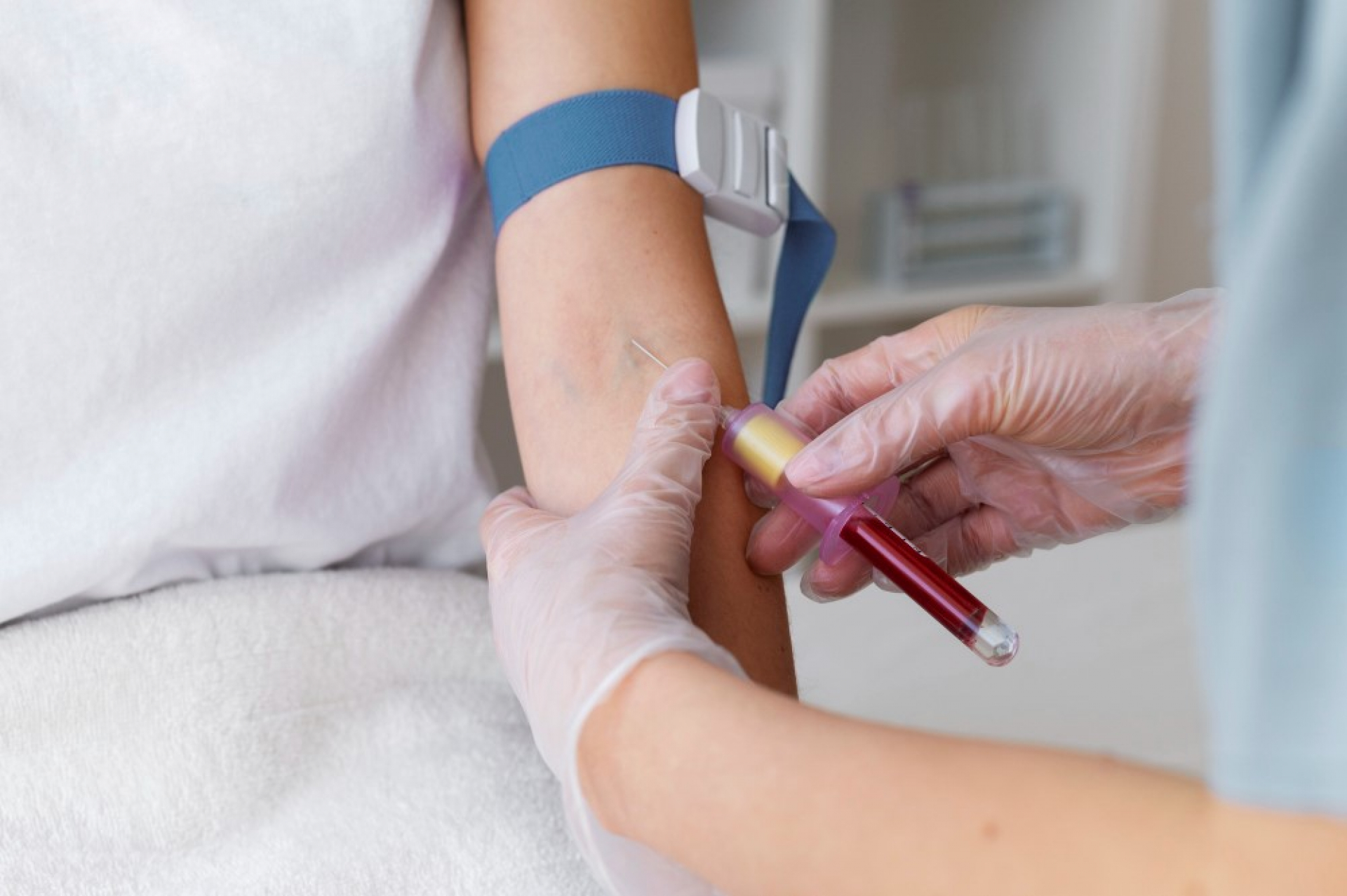
Annual health checkups are designed to catch silent problems early, before symptoms become disruptive or irreversible. Blood sugar, cholesterol, blood pressure, and liver function are routinely checked. Yet one critical system is often overlooked: the thyroid.
Thyroid disorders frequently develop slowly and silently. Many people live for years with subtle symptoms, fatigue, weight changes, mood shifts, without realizing the thyroid is involved. This is why thyroid screening as part of annual health checkups is increasingly important, especially for individuals with identifiable risk factors.
This blog explains what thyroid screening really means, who benefits most from an annual thyroid test, when a Thyroid Function Test (TFT) should be added to routine checkups, the role of the Anti-TPO antibody test in preventive car e, and how to personalize preventive thyroid testing instead of testing blindly.
Why Thyroid Screening Is Often Missed in Annual Health Checkups
Despite the high prevalence of thyroid disorders, routine thyroid screening is not universally included in annual health packages. One reason is that thyroid disease often presents with non-specific symptoms that overlap with stress, aging, lifestyle changes, or nutritional deficiencies.
Common reasons thyroid screening is skipped include:
- Symptoms are mild or gradual
- Patients attribute fatigue or weight changes to lifestyle
- Doctors rely on symptom-triggered testing rather than prevention
- Misconception that thyroid disease is rare
In reality, thyroid dysfunction, especially hypothyroidism, is one of the most common endocrine disorders, particularly in women.
What Is a Thyroid Function Test (TFT) and What Does It Measure?
A Thyroid Function Test (TFT) evaluates how well the thyroid gland is producing hormones and how the body is responding to them.
A standard TFT typically includes:
- TSH (Thyroid-Stimulating Hormone)
- Free T4 (thyroxine)
- Sometimes Free T3, depending on context
TSH acts as an early warning signal, often becoming abnormal before hormone levels shift significantly. This makes TFTs highly valuable for early detection during annual thyroid testing.
Is Annual Thyroid Testing Necessary for Everyone?
A common question is whether annual thyroid testing should be done for everyone, regardless of symptoms.
The answer is nuanced.
- Routine TFTs are not mandatory for every healthy adult.
- Risk-based thyroid screening is far more effective and cost-efficient.
Preventive healthcare works best when tests are guided by age, gender, medical history, and symptoms, not applied indiscriminately.
Who Should Test Thyroid Levels as Part of an Annual Health Checkup?
Certain groups benefit significantly from preventive thyroid testing, even in the absence of obvious symptoms.
Women Who Benefit Most From Preventive Thyroid Testing
Women are disproportionately affected by thyroid disorders due to hormonal and immune influences.
Annual thyroid screening is especially recommended for women who:
- Are over 30 years of age
- Have menstrual irregularities
- Are planning pregnancy or recently delivered
- Experience persistent fatigue, hair fall, or weight changes
- Have a family history of thyroid disease
For women, adding a Thyroid Function Test (TFT) to annual checkups often leads to earlier diagnosis and better long-term outcomes.
Men at Risk- When Annual Thyroid Testing Makes Sense
Although thyroid disease is more common in women, men are not immune.
Men should consider an annual thyroid test if they have:
- Unexplained weight gain or loss
- Persistent fatigue or low motivation
- Depression resistant to treatment
- Cardiovascular risk factors
- A history of autoimmune disease
In men, thyroid dysfunction is often diagnosed late because symptoms are dismissed or attributed to aging or work stress.
Age-Wise Thyroid Screening- When Should Routine TFTs Begin?
Age is a key factor in determining who should test thyroid levels regularly.
Recommended Age-Based Screening Approach
- Under 30 years: Test if symptoms or risk factors are present
- 30–45 years: Consider baseline TFT, especially in women
- Above 45 years: Strongly consider annual thyroid testing
- Above 60 years: Routine thyroid screening is advisable
As age increases, the risk of subclinical thyroid dysfunction rises, making annual thyroid tests increasingly relevant.
Medical Conditions That Increase the Need for Annual Thyroid Screening
Certain medical conditions significantly raise the risk of thyroid dysfunction.
You should strongly consider thyroid screening during annual health checkups if you have:
- Type 1 diabetes or other autoimmune disorders
- Polycystic ovary syndrome (PCOS)
- Infertility or recurrent pregnancy loss
- High cholesterol resistant to treatment
- Osteoporosis
- Depression or anxiety disorders
In these cases, thyroid dysfunction may worsen or complicate the primary condition if left undetected.
Role of Anti-TPO Antibody Test in Preventive Thyroid Screening
The Anti-TPO antibody test detects antibodies against thyroid peroxidase, an enzyme critical for thyroid hormone production.
Why Anti-TPO Testing Matters in Preventive Care
Anti-TPO antibodies indicate autoimmune thyroid disease, even before hormone levels become abnormal.
This test helps:
- Identify individuals at risk of future hypothyroidism
- Explain fluctuating thyroid test results
- Guide long-term monitoring strategies
Who Should Add Anti-TPO Antibody Test to Annual Checkups?
Anti-TPO antibody testing is not required for everyone but is valuable if:
- There is a strong family history of thyroid disease
- TFT results are borderline or fluctuating
- Symptoms suggest thyroid disease, but TFT is normal
- There is a history of postpartum thyroiditis or autoimmune disorders
Including Anti-TPO testing allows preventive thyroid testing to move from reactive to proactive care.
Common Symptoms That Should Trigger Thyroid Screening- Even If You Feel “Mostly Fine”
Many people delay thyroid testing because symptoms are subtle.
Symptoms that should prompt thyroid screening include:
- Persistent fatigue
- Hair thinning or hair loss
- Unexplained weight gain or loss
- Cold or heat intolerance
- Dry skin
- Mood changes or depression
- Menstrual irregularities
Even mild symptoms, when persistent, justify adding a Thyroid Function Test (TFT) to annual checkups.
What Happens If Thyroid Disorders Are Missed During Routine Health Checkups?
Missing thyroid dysfunction can have long-term consequences.
Undiagnosed thyroid disease may lead to:
- Cardiovascular complications
- Infertility and pregnancy complications
- Worsening mental health
- Metabolic disturbances
- Reduced quality of life
Early detection through annual thyroid testing prevents these downstream effects.
Common Myths About Annual Thyroid Testing
Several misconceptions prevent people from opting for thyroid screening.
Myth 1: “I don’t have symptoms, so my thyroid must be fine.”
Reality: Many thyroid disorders are asymptomatic early.
Myth 2: “Thyroid disease only affects women.”
Reality: Men are often underdiagnosed.
Myth 3: “One normal test means lifelong safety.”
Reality: Thyroid function can change over time.
Dispelling these myths supports smarter preventive thyroid testing.
Which Thyroid Tests Make Sense in an Annual Health Checkup Package?
A rational approach to thyroid screening includes:
- Thyroid Function Test (TFT) as the foundation
- Anti-TPO antibody test in selected high-risk individuals
Routine testing should be risk-based, not excessive.
How Often Should You Repeat Thyroid Testing If Results Are Normal?
If your TFT is normal:
- Low-risk individuals: repeat every 2–3 years
- Moderate-risk individuals: consider annual testing
- High-risk individuals or Anti-TPO positive: annual monitoring
This strategy ensures early detection without unnecessary testing.
Next Steps- Personalizing Thyroid Screening Based on Your Risk Profile
Instead of asking, “Should everyone test their thyroid?” the better question is, “Who should test thyroid levels regularly?”
A personalized approach considers:
- Age
- Gender
- Symptoms
- Family history
- Autoimmune risk
This ensures thyroid screening adds value to annual health checkups rather than becoming a routine checkbox.
Making Thyroid Screening a Smart Part of Preventive Healthcare
Thyroid disorders are common, often silent, and highly treatable when detected early. Adding a Thyroid Function Test (TFT) to annual health checkups, especially for high-risk individuals, supports proactive health management. You can visit your nearest Lupin Diagnostics center to schedule an annual health checking including TFTs.
Annual thyroid testing is not about overtesting; it is about smart, risk-based prevention. When used thoughtfully, preventive thyroid testing improves long-term health, energy levels, and quality of life.
