


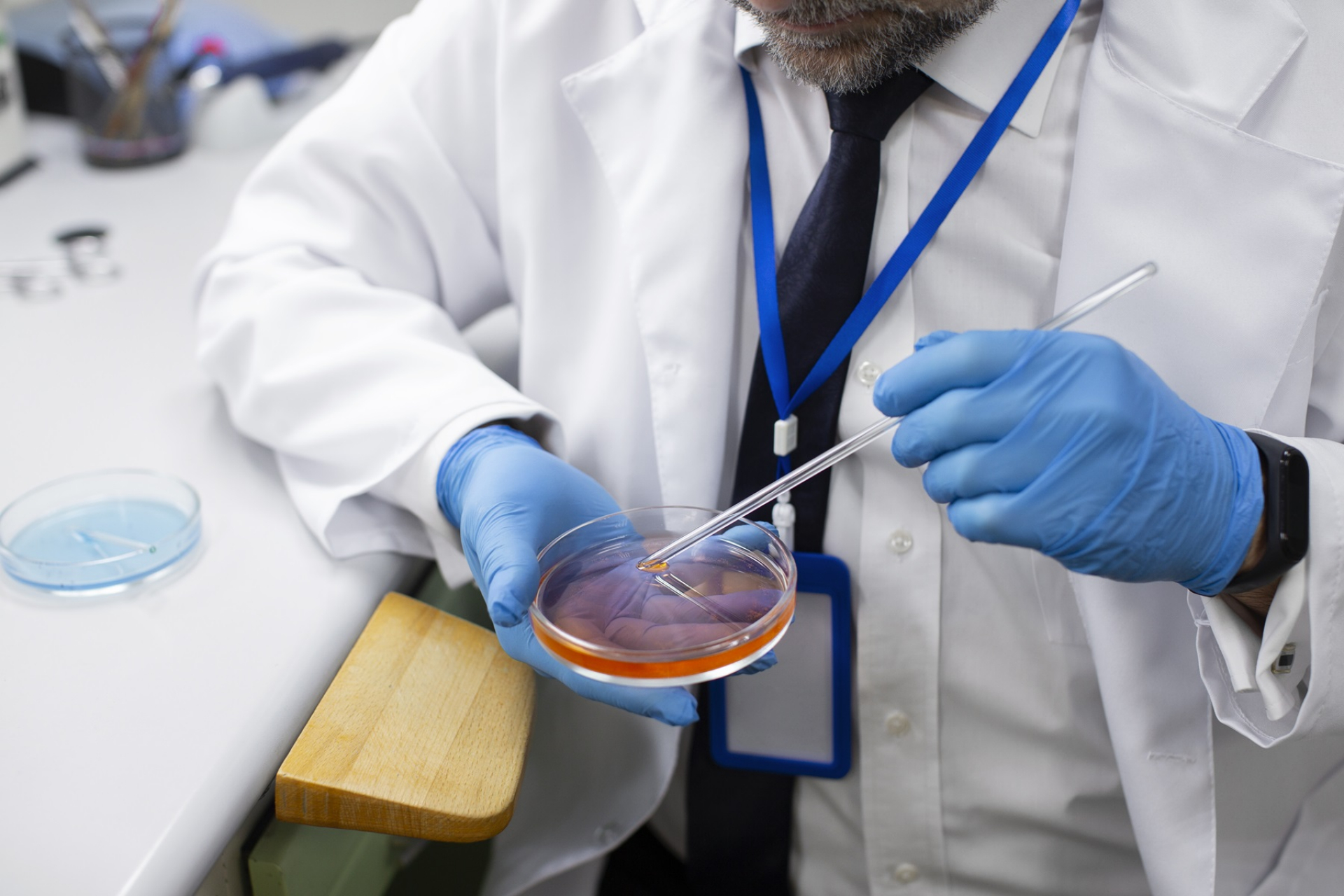
Histopathology has long served as a cornerstone of modern diagnostics, offering insights into tissue structure and cell morphology that reveal the presence and characteristics of disease. Through histopathology tests, physicians and pathologists can diagnose a wide range of conditions, from infections and autoimmune diseases to cancers and inflammatory disorders. Understanding how these tests work and their significance in disease management is essential for both healthcare providers and patients.
Understanding Histopathology
Histopathology is the study of tissues under the microscope to identify disease. A histopathologist examines tissue samples, often removed via biopsy, looking at cellular detail to detect abnormalities that may indicate disease processes. Histopathology relies on staining techniques, and other methods that highlight different cellular components and structures.
The examination can reveal the type of cells present, cellular arrangements, tissue organization, and structural abnormalities, all of which are critical in diagnosing diseases accurately. Modern histo tests also employ advanced molecular techniques to detect genetic markers and specific proteins, enhancing the accuracy and range of diagnoses.
How Histopathology Tests Aid in Disease Diagnosis?
Histopathology plays an irreplaceable role in diagnosing various diseases, offering precise details on the cellular level that imaging tests cannot reveal. The test results are used by doctors to make informed decisions about a patient’s diagnosis and treatment plan, impacting disease outcomes significantly.
-
Detecting Cancer through Histopathology
One of the primary uses of histopathology is in the diagnosis of cancer. When imaging tests or symptoms indicate the potential presence of cancer, a biopsy sample is often taken from the suspected area and examined under a microscope by a pathologist. Through histopathology, pathologists can determine if the cells are malignant, the type and stage of cancer, and sometimes, even predict the tumor's behavior.
For example, cancer histopathology is crucial in determining cancer cell grade, which is essential for understanding how aggressive a tumor might be. Specific histopathology tests can identify hormone receptors in breast cancer cells, which guides treatment by indicating whether hormone therapy could be effective.
Diagnosing Hematological Cancers
Histopathology is indispensable in the diagnosis of hematological malignancies, including acute myeloid leukemia (AML). AML is a type of blood cancer that originates in the bone marrow and rapidly progresses, requiring urgent treatment. The histopathology test identifies abnormal cell proliferation, providing valuable information on cell type, lineage, and the extent of malignancy.
AML histopathology typically involves bone marrow biopsy, where pathologists examine bone marrow cells to detect the presence of immature white blood cells known as myeloblasts. High counts of myeloblasts can confirm an AML diagnosis, leading to targeted therapies or bone marrow transplantation based on the test's results.
-
Infection Detection and Autoimmune Disease
Histopathology is also valuable in identifying infections and autoimmune diseases. Tissues affected by infections, whether bacterial, viral, or fungal, display specific structural changes under the microscope. For autoimmune diseases like lupus and rheumatoid arthritis, histopathology can reveal inflammation patterns and immune responses within affected tissues. These findings help doctors not only confirm a diagnosis but also tailor treatments to control inflammation and prevent further tissue damage.
The Process of Histopathology Tests
Histopathology testing involves a series of steps to ensure that the samples are processed and analyzed with utmost precision:
- Sample collection: Tissue samples are collected through various methods, including biopsy, surgery, or aspiration.
- Fixation: The tissue is preserved using chemicals, such as formalin, which maintain cellular structure and prevent degradation.
- Embedding and sectioning: The fixed tissue is embedded in paraffin wax, then sliced into thin sections to allow for detailed microscopic examination.
- Staining: Common stains highlight cellular structures, while special stains may be used to detect specific proteins or cellular components, assisting in identifying disease characteristics.
- Microscopic Examination: A histopathologist examines the stained slides under a microscope, looking for abnormalities in cellular arrangement, shape, and tissue structure.
- Reporting: The pathologist compiles findings into a report, detailing observations that contribute to an accurate diagnosis, including disease type and any malignancy grades or stages.
Factors Affecting the Cost of Histopathology Tests
The cost of histopathology tests varies based on several factors, such as the type of biopsy, complexity of staining techniques, and additional molecular tests required for comprehensive analysis. Advanced histopathology tests that include immunohistochemistry (IHC) or genetic analysis tend to be more expensive, as they involve sophisticated technology and reagents.
Limitations and Challenges in Histopathology Testing
Histopathology, while invaluable, does have its limitations.
- Sample size can sometimes limit diagnostic accuracy if the tissue collected is too small or unrepresentative of the affected area.
- False negatives are possible in some cases, especially if the sampling method does not capture the diseased area effectively.
- Histopathology is a time-sensitive process. Delays in biopsy, fixation, or examination can affect results, requiring skilled handling to preserve the integrity of samples.
- While histopathology tests can reveal much about disease characteristics, they may need to be combined with molecular or imaging tests for a comprehensive diagnosis, especially in cancer cases.
