


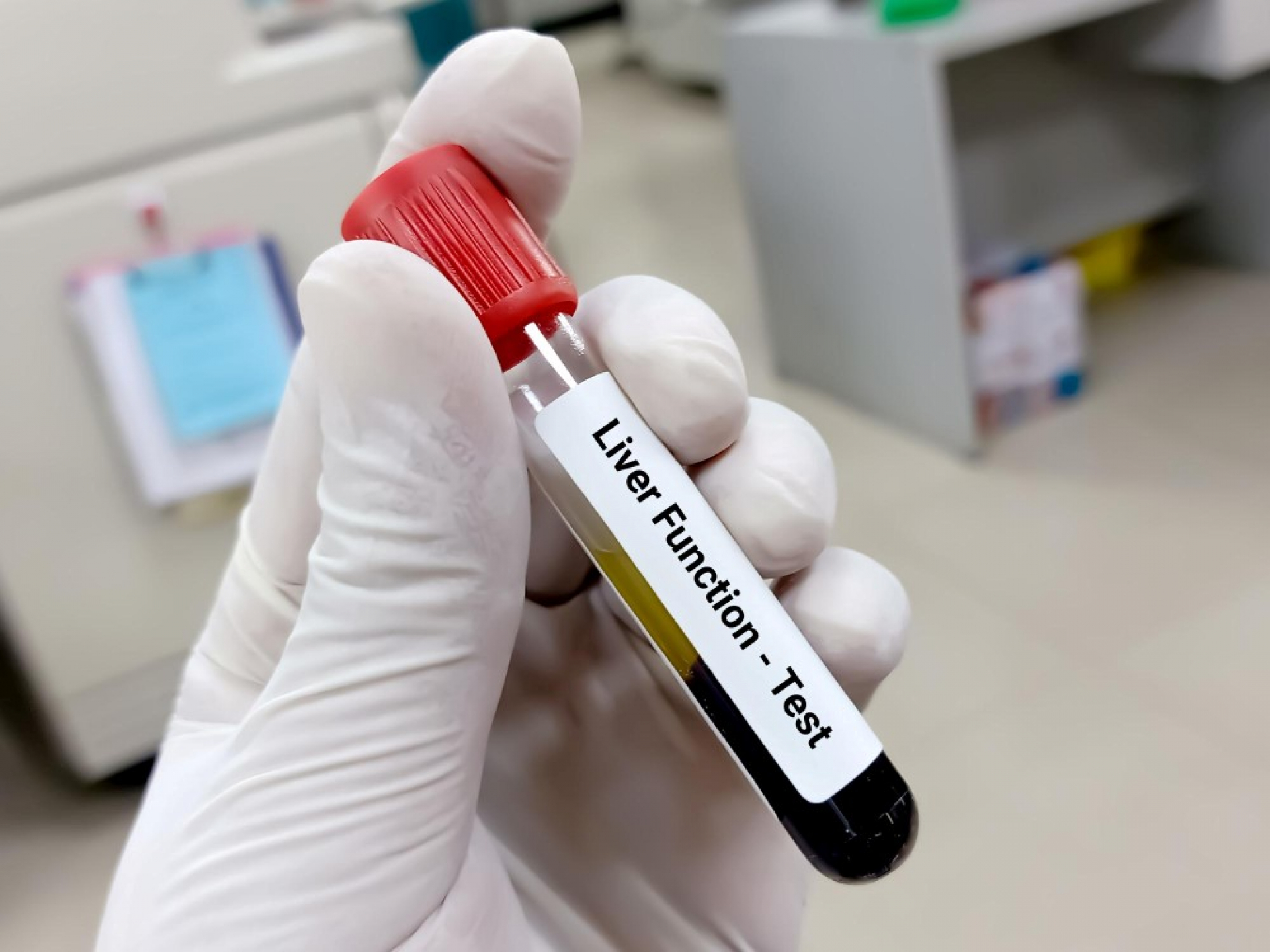
When it comes to liver evaluation, few things are as underestimated, and as critical, as how and where a Liver Function Test (LFT) is done. Patients often assume that once an LFT is ordered, the numbers that appear on the report are absolute truths. In reality, liver enzyme values are highly sensitive to pre-analytical and analytical variables. Without standardized practices, two LFT reports taken weeks apart may look different even when the liver itself has not changed.
This is why accurate LFT testing depends as much on laboratory practices as it does on the patient’s liver health. Sample timing, fasting status, laboratory methods, reference ranges, and report formatting all influence whether repeat tests are truly comparable. Poor consistency can lead to unnecessary anxiety, inappropriate treatment changes, or missed early liver injury.
This blog explains the LFT best practices that ensure reliable, comparable results across repeat tests. We will explore why LFT sample timing matters, how lab reporting accuracy influences interpretation, and what patients and clinicians can do to avoid misleading trends. If you are monitoring liver health over time, understanding these lab practices is essential, not optional.
Why Consistency Matters More Than Single LFT Values
A single Liver Function Test (LFT) offers only a snapshot of liver activity at one moment in time. Most liver conditions, fatty liver, alcohol-related injury, drug-induced stress—are dynamic processes. Clinicians therefore rely heavily on trends across multiple tests rather than isolated values.
However, trends are only meaningful when accurate LFT testing is performed under consistent conditions. Changes in sample timing, laboratory methods, or reporting format can mimic improvement or deterioration that does not truly exist. This is one of the most common reasons for confusion in liver follow-up.
Following LFT best practices ensures that repeat tests reflect real biological change rather than testing variability.
Understanding What a Liver Function Test (LFT) Actually Measures
A Liver Function Test (LFT) typically includes enzymes such as ALT, AST, ALP, and sometimes bilirubin and proteins. These markers reflect liver cell stress, bile flow, and synthetic function. Importantly, these values fluctuate naturally based on metabolic state, medications, alcohol intake, and even time of day.
Because LFT markers are sensitive, LFT sample timing and handling play a major role in ensuring accurate LFT testing. Without standardization, interpretation becomes unreliable, especially when monitoring borderline abnormalities.
LFT Sample Timing- Why Time of Day Matters
One of the most overlooked LFT best practices is consistent sample timing. Liver enzymes show mild diurnal variation, meaning their levels can change slightly across the day. While these shifts are small, they become significant when tracking trends.
For optimal LFT sample timing, most laboratories recommend morning blood collection. Repeating LFTs at the same time of day improves comparability and strengthens confidence in trends. Testing once in the morning and once in the evening can introduce unnecessary variability.
Maintaining consistent LFT sample timing is a foundational step toward accurate LFT testing.
Fasting, Meals, and Their Impact on LFT Accuracy
Although LFTs do not always require fasting, recent meals, especially high-fat meals, can transiently influence certain parameters. This is why many clinicians recommend fasting or at least standardized pre-test conditions for follow-up testing.
When monitoring liver health over time, following the same preparation protocol for each Liver Function Test (LFT) improves lab reporting accuracy and reduces noise in results. Consistency matters more than strict rules; doing the same thing every time is key.
Physiology Insight: Why Liver Enzymes Fluctuate Easily
Liver enzymes are released into the bloodstream when liver cells are stressed—not only when they are damaged. Exercise, dehydration, medications, alcohol, and illness can all transiently increase enzyme levels.
This physiological sensitivity explains why accurate LFT testing depends on controlling external variables. Without attention to LFT best practices, small, harmless fluctuations may be misinterpreted as disease progression.
Understanding this physiology reinforces why sample timing and reporting consistency are essential.
Choosing the Same Lab- A Core LFT Best Practice
Different laboratories may use different analyzers, reagents, and reference ranges. Even small methodological differences can lead to different numerical results for the same blood sample.
For repeat testing, one of the most important LFT best practices is to use the same laboratory whenever possible. This ensures consistent analytical methods and improves lab reporting accuracy across reports.
Switching labs mid-follow-up can create artificial trends that confuse both patients and clinicians.
Lab Reporting Accuracy- More Than Just Numbers
Lab reporting accuracy is not only about correct measurement, it is also about clear, standardized presentation. A high-quality Liver Function Test (LFT) report should include:
- Consistent units
- Clearly stated reference ranges
- Flags for abnormal values
- Methodology transparency
When reports change format or ranges between tests, interpretation becomes difficult. Good LFT best practices include stable reporting formats that allow easy comparison across time.
Reference Ranges and Why They Can Mislead
Reference ranges are statistical constructs based on specific populations and assay methods. They are not universal truths. A value considered “normal” in one lab may be flagged in another.
This is why accurate LFT testing relies on trend analysis rather than single-value interpretation. Consistent lab reporting accuracy allows clinicians to assess direction and magnitude of change rather than fixating on cutoffs.
Common Mistakes That Undermine Accurate LFT Testing
Several avoidable mistakes compromise accurate LFT testing, including:
- Testing at different times of day
- Switching laboratories frequently
- Ignoring preparation consistency
- Comparing reports with different reference ranges
These mistakes can obscure true liver trends. Adhering to LFT best practices prevents misinterpretation and unnecessary repeat testing.
When Doctors Repeat LFTs for Confirmation
Clinicians often repeat a Liver Function Test (LFT) when mild abnormalities appear. The goal is not redundancy, but confirmation under controlled conditions.
Following LFT sample timing guidelines and using the same lab improves confidence that repeat results reflect real liver behavior. This approach strengthens diagnostic decisions and avoids premature interventions.
Long-Term Monitoring- Why Consistency Protects Patients
For chronic conditions such as fatty liver or alcohol-related liver stress, long-term monitoring is essential. Without accurate LFT testing, long-term trends lose meaning.
Consistent LFT best practices ensure that improvements or deteriorations are real, not artifacts of testing variation. This protects patients from unnecessary worry and inappropriate treatment escalation.
How Patients Can Support Lab Reporting Accuracy
Patients play an important role in maintaining lab reporting accuracy. Practical steps include:
- Testing at the same lab
- Scheduling blood draws at similar times
- Following the same preparation routine
- Keeping copies of previous reports
These simple actions significantly improve the reliability of repeat Liver Function Test (LFT) results.
Integrating Best Lab Practices Into Routine Care
Healthcare systems increasingly emphasize standardization, but patient awareness remains crucial. By understanding LFT best practices, patients can actively participate in ensuring accurate LFT testing.
When clinicians and patients align on sample timing and reporting consistency, liver monitoring becomes more precise and less stressful.
Accurate LFT Testing Depends on How, Not Just What
A Liver Function Test (LFT) is only as reliable as the practices behind it. Sample timing, preparation consistency, laboratory methodology, and report clarity all influence interpretation. Without adherence to LFT best practices, repeat testing can mislead rather than inform. Choose Lupin Diagnostics, for most reliable and accurate testing, following all standard testing protocols.
Maintaining consistent LFT sample timing and prioritizing lab reporting accuracy transforms LFTs into powerful monitoring tools rather than sources of confusion. For anyone tracking liver health over time, understanding these principles is essential. Accurate liver assessment is not about chasing numbers; it is about ensuring those numbers truly reflect what is happening inside the liver.
