Book Your Health Check-up
Vitamin C Ascorbic Acid Test: Booking, Price, and Results
About Vitamin C Ascorbic Acid Test: Booking, Price, and Results
| Field | Value |
|---|---|
| Also Known As | Serum Ascorbic Acid Test, Plasma Vitamin C Test, Ascorbate Test, L-Ascorbic Acid Test |
| Sample Type | Venous blood (plasma or serum) |
| Fasting Required | Yes – overnight fasting of 10 to 12 hours recommended |
| Report Time | 3 to 5 days |
| Recommended For | All genders and age groups |
| Price | Starting at ₹2,850 |
What Is a Vitamin C Ascorbic Acid Test?
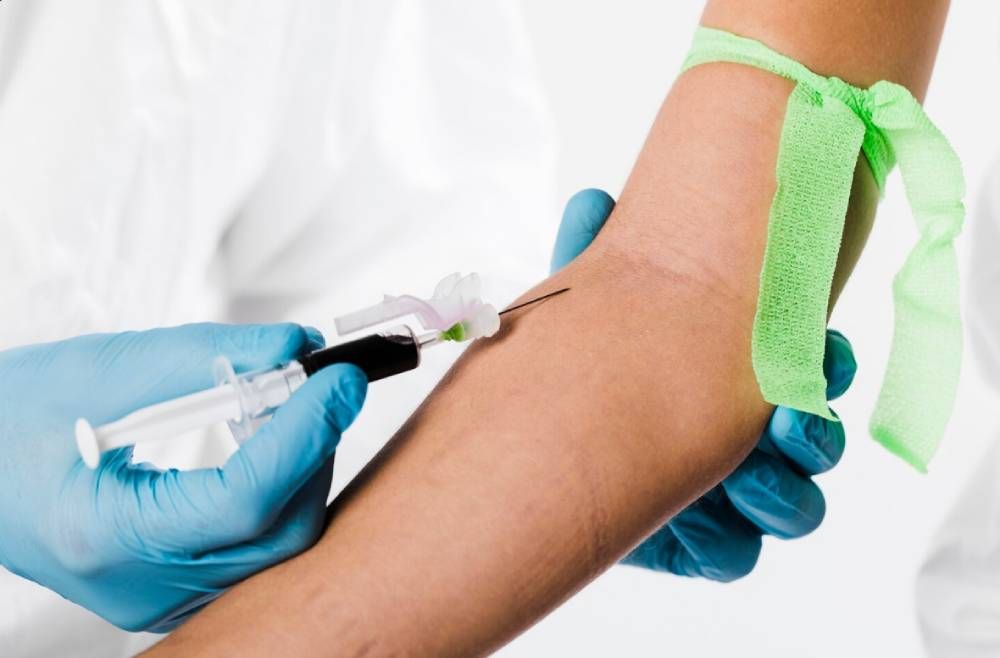
The Vitamin C Ascorbic Acid Test measures the level of ascorbic acid in your blood. It is used to assess your nutritional status and identify whether your body has adequate, deficient, or excess vitamin C. Also known as the Serum Ascorbic Acid Test or Plasma Vitamin C Test, it is typically ordered when a doctor suspects a deficiency based on your symptoms or dietary habits. The sample collected is a small amount of venous blood drawn from a vein in your arm.
What Does a Vitamin C Ascorbic Acid Test Measure?
The Ascorbate Test measures a single key marker in the blood. Here is what it looks at and why it matters:
| Parameter | What It Tells Us |
|---|---|
| Vitamin C (Ascorbic Acid) | Measures the amount of this water-soluble vitamin in your blood. Vitamin C is an antioxidant that helps build collagen (a protein needed for skin, blood vessels, and bones), supports energy and hormone production, and aids the absorption of iron from food. |
Why Is a Vitamin C Ascorbic Acid Test Done?
This test is ordered when a doctor wants to understand whether your body is getting enough vitamin C or has an excess amount from supplementation.
Common Symptoms That May Require This Test
Your doctor may suggest a Plasma Vitamin C Test if you experience any of the following symptoms:
- Persistent fatigue and low energy
- Easy bruising with no clear cause
- Bleeding or swollen gums
- Wounds that take unusually long to heal
- Joint or muscle pain without injury
- Dry, rough, or bumpy skin
- Corkscrew-shaped body hair (a specific sign of deficiency)
- Hairloss
- Anaemia
Conditions This Test Can Help Detect
The Serum Ascorbic Acid Test can help identify several conditions, including:
- Scurvy, a condition caused by prolonged vitamin C deficiency
- Bleeding disorders and thickened or hardened skin linked to deficiency
- Blood-related abnormalities associated with low vitamin C
- Iron deficiency anaemia, as vitamin C is needed for iron absorption
- Nutritional deficiencies linked to limited access to fresh food
How to Prepare and What to Expect
Preparing correctly for this test helps ensure your results are accurate. Here is what you need to know before your appointment.
Do You Need to Fast?
Yes, overnight fasting of 10 to 12 hours is required before this test. Eating or drinking anything other than water, or taking vitamin supplements beforehand, can raise your plasma vitamin C levels temporarily and skew your results. The reference ranges used to interpret this test were established under fasting conditions.
Practical Tips Before Your Test
Follow these steps to get the most reliable result:
- Stop taking vitamin C supplements at least 24 hours before the test
- Avoid high-dose vitamin C-rich foods and fortified drinks on the day before your test
- Tell your doctor about any over-the-counter medications you are taking, as some (such as aspirin or oral contraceptives) can affect vitamin C levels
- Stay well hydrated with water unless advised otherwise
- Wear a loose-sleeved top so the blood draw is easy
Step-by-Step Procedure
Here is what happens during and after your sample is collected:
- A trained phlebotomist cleans a small area on your arm and gently inserts a needle into a vein to draw blood.
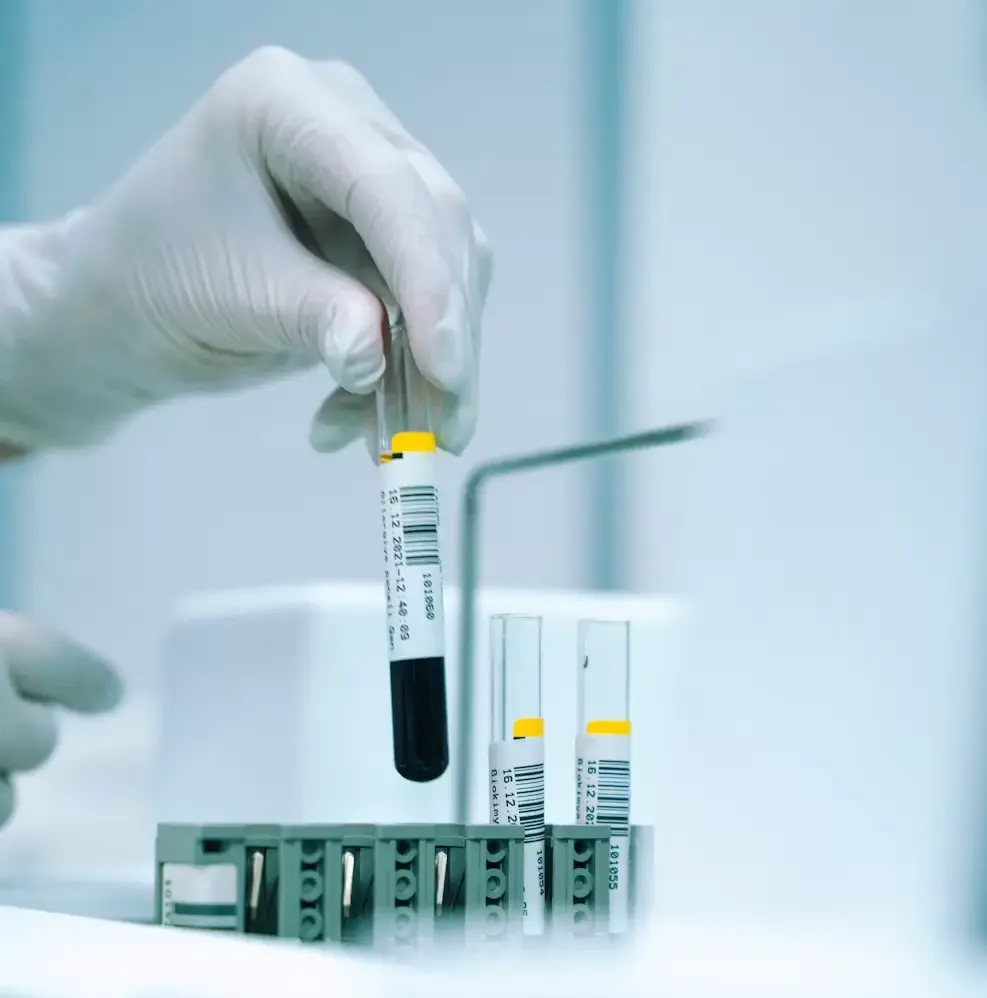
- The blood is collected into a specialised tube containing an anticoagulant to prevent clotting.
- The sample is immediately protected from light, spun at high speed to separate the plasma, and frozen within one hour of collection to preserve accuracy.
- The sample is then transported to the laboratory under controlled conditions.
- Analysis is carried out at the lab, and your report is typically ready within 3 to 5 days.
Factors That Can Affect Accuracy
Several factors can influence your test results:
- Recent vitamin C intake from food, drinks, or supplements
- Exposure of the sample to light, which reduces measured vitamin C levels
- Improper sample storage or temperature during transport
- Smoking, which is known to lower vitamin C levels in the blood
- Certain medical conditions, such as fever, inflammation, or diarrhoea
Understanding Your Vitamin C Ascorbic Acid Test Results
Your results should always be reviewed alongside your symptoms, medical history, and diet. The table below shows the general reference ranges for this test.
| Parameter | Normal Range | Low (Deficiency Risk) | High (Excess) |
|---|---|---|---|
| Plasma Vitamin C | 0.4 to 2.0 mg/dL (23 to 114 µmol/L) | Below 0.2 mg/dL indicates a significant deficiency; 0.2 to below 0.4 mg/dL indicates moderate risk | Above 3.0 mg/dL suggests excess intake |
These ranges are general guidelines. Your doctor will interpret your results based on your age, health history, and other factors. Always consult a qualified healthcare professional for personalised medical advice.
Results During Special Conditions
Certain situations can shift your vitamin C levels independently of your diet:
- Smokers tend to have significantly lower blood vitamin C levels. The risk of severe deficiency is higher in those who smoke, even after accounting for dietary intake.
- Medications such as aspirin, oral contraceptives, and tetracycline can increase the body's need for vitamin C, potentially lowering measured levels.
- Psychological stress, advancing age, fever, surgery, burns, and conditions such as hyperthyroidism (an overactive thyroid) can all raise the body's vitamin C requirement, which may result in lower readings.
How to Maintain Healthy Levels
These general tips support good vitamin C nutrition:
- Eat a varied diet that includes citrus fruits, berries, tomatoes, potatoes, and green leafy vegetables every day, as vitamin C comes entirely from food.
- Include other vitamin C-rich foods such as bell peppers, broccoli, and kiwi fruit regularly.
- Avoid smoking, as it significantly depletes vitamin C in the body.
Lupin Diagnostics Vitamin C Ascorbic Acid Test Price and Home Collection
The Vitamin C Ascorbic Acid Test is available at Lupin Diagnostics starting at ₹2,850, with home sample collection offered across major cities in India.
| City | Approximate Price (₹) |
|---|---|
| Mumbai | ₹2,850 |
| Kolkata | ₹2,850 |
| Bangalore | ₹2,850 |
| Pune | ₹2,850 |
| Nagpur | ₹2,850 |
Prices are indicative and may vary by location. Please confirm the current price at the time of booking.
Home Collection
Lupin Diagnostics offers home sample collection for the Plasma Vitamin C Test across cities in India, so you can get tested without visiting a centre. All samples are processed in NABL-accredited laboratories by experienced technologists. Your digital report is delivered securely via email or WhatsApp once ready.
How to Book
Select the test on the Lupin Diagnostics website.
- Choose your city and preferred time slot.
- Opt for home sample collection by a certified phlebotomist, or visit your nearest Lupin Diagnostics centre.
- Receive your report via email or WhatsApp within the stipulated turnaround time.
Frequently Asked Questions
This test measures ascorbic acid levels in your blood to check whether you have adequate, low, or excessive vitamin C. Your doctor may recommend it if your symptoms or dietary history suggest a possible deficiency, or to diagnose conditions such as scurvy.
Yes, overnight fasting of 10 to 12 hours is recommended. After eating or taking vitamin C, plasma levels rise quickly within 1 to 2 hours and peak within 3 to 6 hours. Fasting ensures your result accurately reflects your actual vitamin C status.
Common signs include fatigue, bleeding gums, easy bruising, and slow wound healing. More specific signs of deficiency include corkscrew-shaped body hair and small bleeding spots around hair follicles. If you have these symptoms, a Serum Ascorbic Acid Test can help confirm whether deficiency is the cause.
Scurvy can develop after roughly 2 to 3 months of very low vitamin C intake. Early symptoms include tiredness, achy joints and muscles, and shortness of breath, followed by more visible signs such as gum ulcers and skin changes.
Yes, smoking significantly lowers vitamin C levels in the blood. Studies show that non-smokers can have vitamin C levels up to 4.3 times higher than smokers, even when their diets are similar. Smokers face a greater risk of deficiency.
Levels above 3.0 mg/dL suggest excess intake, usually from high-dose supplements. While vitamin C toxicity is not clearly defined, very high amounts may cause digestive discomfort or, in some individuals, increase the risk of kidney stones. Consult your doctor if your levels are above the normal range.
This test is not part of routine health monitoring. It is typically a one-off check to assess your vitamin C status. Your doctor may suggest repeating it after dietary changes or supplementation to confirm that your levels have returned to the normal range.